
Article on Taj Mahal: History, Beauty, and Importance
To begin with article on taj mahal, few monuments in the world capture love, art, and history as powerfully as the Taj Mahal. Located in Agra, this iconic white marble mausoleum attracts millions of visitors every year. Whether you are a student, traveler, or history enthusiast, understanding its story provides deep cultural insight.
Moreover, built during the Mughal era, the Taj Mahal is not just a monument—it is a symbol of eternal love and architectural brilliance. In this guide, you will explore its history, design, and the importance of the Taj Mahal in shaping India’s heritage. this is the best article on taj mahal.
History of the Taj Mahal
First of all, the Taj Mahal was commissioned by Shah Jahan in memory of his beloved wife, Mumtaz Mahal, who passed away in 1631. Soon after, construction began in 1632 and continued for more than 20 years.
In addition, thousands of artisans, craftsmen, and laborers worked tirelessly to create this masterpiece. As a result, the monument stands today as a symbol of deep love and dedication, making it one of the most recognized landmarks in the world.
Key Historical Facts
- Construction period: 1632–1653
- Built by: Mughal Emperor Shah Jahan
- Purpose: Mausoleum for Mumtaz Mahal
- Furthermore, it is recognized as a UNESCO World Heritage Site
Architectural Marvel of the Taj Mahal
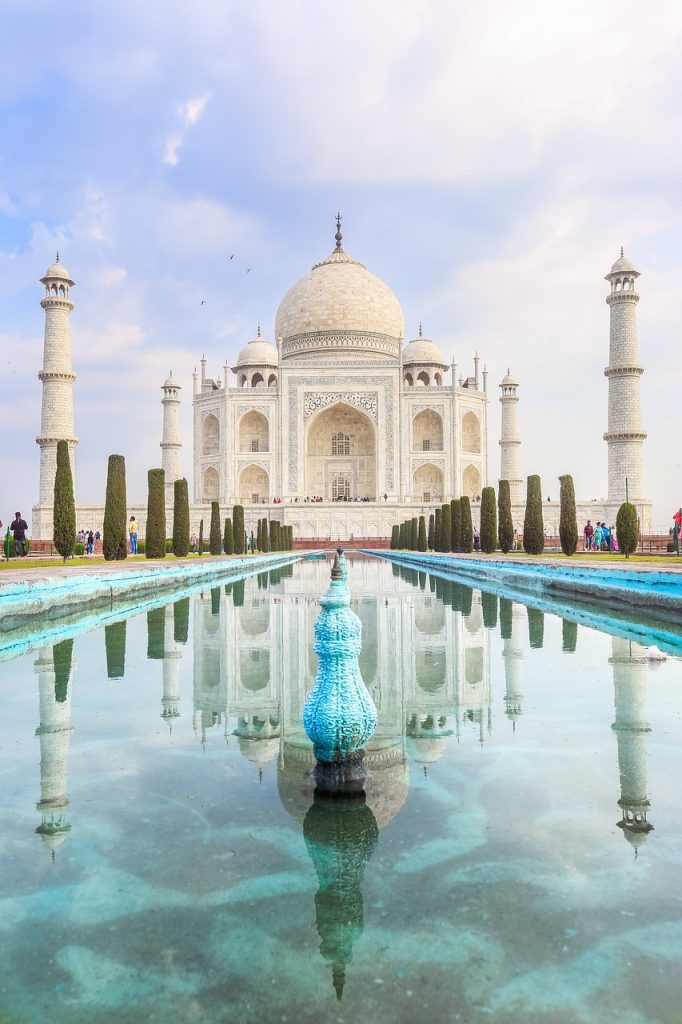
Next, the Taj Mahal is a stunning example of Mughal architecture, as it beautifully blends Persian, Islamic, and Indian styles.
Unique Design Features
- White Marble Structure: Not only does it shine, but it also reflects different hues at sunrise, noon, and sunset
- Symmetry: In addition, the layout is perfectly balanced with gardens and water channels
- Calligraphy: Moreover, intricate Quranic inscriptions decorate the walls
- Central Dome: At the center stands a massive dome surrounded by four minarets
Furthermore, the use of semi-precious stones in floral patterns adds elegance and detail, which continues to impress architects worldwide.
Importance of the Taj Mahal in Indian Culture
Now, when we consider the importance of the Taj Mahal, it becomes clear that it goes far beyond its beauty. In fact, it plays a vital role in India’s cultural, historical, and economic landscape.
Cultural Significance
- To begin with, it is a symbol of eternal love and devotion
- Additionally, it represents Mughal artistic excellence
- As a result, it serves as a source of national pride
Economic Importance
- For instance, it is a major contributor to tourism in India
- Consequently, it generates employment for local communities
- Moreover, it boosts the hospitality and travel industries
Educational Value
- It helps students learn about Mughal history
- In addition, it serves as a real-world example of architectural innovation
- Therefore, it is frequently studied in history and art courses
Why the Taj Mahal is a Global Icon
Furthermore, the Taj Mahal is often listed among the New Seven Wonders of the World, which enhances its global reputation. Because of its timeless story, breathtaking design, and emotional significance, it attracts visitors from across the globe.
In other words, it is not just a monument—it is an unforgettable experience that leaves a lasting impression.
Best Time to Visit the Taj Mahal
To make the most of your visit, proper planning is essential.
Ideal Visiting Times
- Generally, October to March offers pleasant weather
- Additionally, sunrise provides fewer crowds and magical lighting
- Likewise, full moon nights offer special viewing opportunities
Travel Tips
- First, book tickets in advance
- Next, avoid weekends for smaller crowds
- Finally, hire a guide for deeper insights
Interesting Facts About the Taj Mahal
Interestingly, the Taj Mahal has several fascinating features:
- For example, the marble changes color depending on the time of day
- Additionally, the minarets are slightly tilted outward to protect the main tomb
- Moreover, it took over 20,000 workers to complete
- Lastly, materials were brought from across Asia
FAQs About Taj Mahal
1. Why is the Taj Mahal famous?
Primarily, it is famous for its stunning architecture and as a symbol of eternal love built by Shah Jahan for Mumtaz Mahal.
2. What is the importance of the Taj Mahal?
In short, its importance lies in its cultural, historical, and economic significance, representing India’s heritage and attracting global tourism.
3. Where is the Taj Mahal located?
It is located in Agra, Uttar Pradesh, India.
4. How long did it take to build the Taj Mahal?
Approximately, it took 20–22 years to complete.
5. Can tourists visit inside the Taj Mahal?
Yes, visitors can explore the main complex; however, some areas may be restricted.
Conclusion: Why the Taj Mahal Still Matters
To conclude, this article on the Taj Mahal clearly shows why it remains one of the greatest wonders of the world. From its romantic origin to its architectural brilliance, it continues to inspire millions.
Ultimately, the importance of the Taj Mahal extends beyond history. It influences culture, tourism, and education even today. Therefore, if you have not experienced it yet, now is the perfect time to plan your visit and witness this masterpiece in person.